
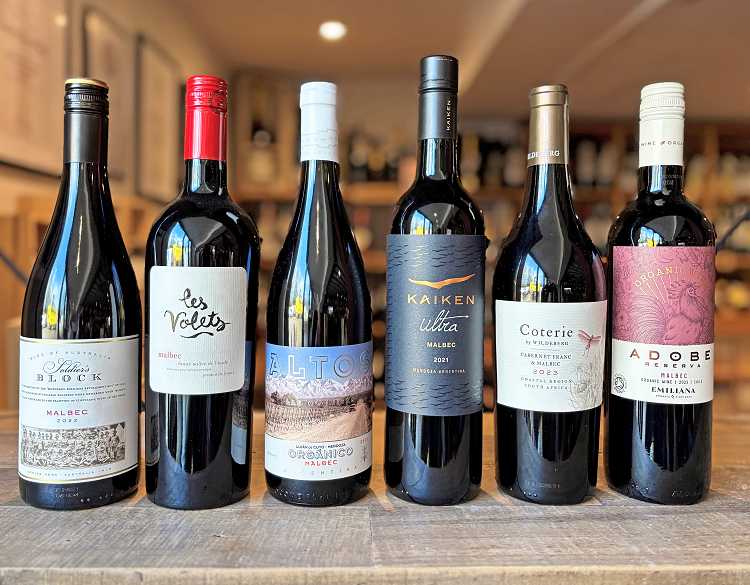
Premium Malbec has quietly stepped into a new era—one where it’s no longer simply a value red but a serious contender in the fine‑wine world. Over the last decade, top producers in Argentina and France have pushed Malbec into a tier that invites comparison with Bordeaux, not just stylistically but in terms of prestige and collectability.
Where Premium Malbec Sits Today
High‑end Malbec has become one of the most dynamic categories in the global fine‑wine market, driven by limited‑production, high‑altitude wines that showcase terroir with remarkable clarity.
These wines are no longer just plush, fruit‑forward crowd‑pleasers. At the top end, they offer:
- Precision and minerality from high-altitude vineyards
- Age‑worthy structure rivalling classic Old World reds
- Distinct regional identity
High End and High Altitude
High‑altitude Malbec thrives where the air is thin and the sun is fierce. Those dramatic shifts between hot days and cool nights slow the ripening just enough to build extraordinary concentration, a deep inky colour, vibrant acidity and that signature plush dark‑fruit character. The grapes develop thicker skins, too, which means deeper flavour, natural freshness, and a beautiful balance that makes these wines feel both powerful and refined.
How It Compares to Bordeaux
Bordeaux remains the benchmark for structured, age‑worthy reds built on Cabernet Sauvignon, Merlot, and supporting varieties like Cabernet Franc and Petit Verdot. These blends are prized for their tannic backbone, longevity, and complexity. But premium Malbec is carving out its own place in this market in a complementary not competing way.
Bordeaux still dominates elite categories, but Malbec brings diversity to fine‑wine collectors. How they differ is that Bordeaux carries centuries of heritage and status whereas Malbec is seen as modern, terroir‑driven and exciting, especially with younger collectors and sommeliers.
Premium Malbec is a growing trend seen in a rise in global demand for limited production and high-altitude wines. Its reputation has shifted from “value red” to serious fine wine, with critics regularly awarding 95+ scores. In fact general sales of Malbec may have slowed at the lower end of the scale and we see an increased growth at the higher end of the Malbec scale thanks to their food pairing versatile characters and how they express the unique and diverse terroirs where they are grown.
Premium Malbec isn’t trying to be Bordeaux. rather it is offering something different thanks to purity of fruit, altitude‑driven elegance and a true sense of place that’s resonating with modern drinkers and collectors. Its success is genuine and inspires producers to continually refine their craft as global palates keep evolving.


